The Bend Test: Why Not to Bend Cards for Authentication
Bending can crease a genuine card and does not establish authenticity. Keep the card intact and use non-destructive comparisons instead.
Caution: Not recommended, including for suspected rebacks. Damage is irreversible and can complicate a return or independent examination.
What this checks
Flexibility, not authenticity. Stock, condition, and prior stress affect how a card bends.
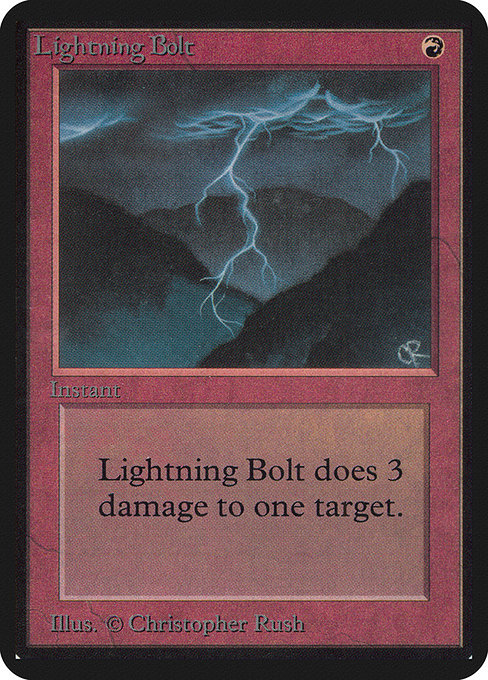
Image via Scryfall · © Wizards of the Coast.
Genuine looks like
A genuine card may spring back, but it can also crease or crack under stress.
Fake looks like
A counterfeit may be flexible too. Passing or failing a bend does not settle the question.
Step by step
- 1Do not bend the card for testing.
- 2Inspect its existing edges and surface without flexing or peeling them.
- 3Compare front and back print details with a known-genuine reference.
- 4Document unresolved differences and seek an experienced in-person assessment.
Why it matters
Even Wizards' historical 2004 guide warned that genuine cards can fail repeated bending. That old guide is not evidence of effectiveness against today's counterfeits.
Further reading
Related methods
Educational guidance only — no method is a guarantee of authenticity. When in doubt on a valuable card, consult a professional grading or authentication service.