The Light Test: Spotting Fake Magic Cards with a Flashlight
Compare light transmission with a known-genuine non-foil of the same printing. A mismatch is a reason to investigate, not a verdict.
Caution: Do not reject a card for brightness or core color alone. Never apply heat or pressure, and do not tear a card to explain a light-test result.
What this checks
Light transmission through the card stock. Wizards describes a blue adhesive core in its primary stock, but also documents other genuine constructions; there is no universal brightness or color threshold.
Tools: A bright light or phone flashlight
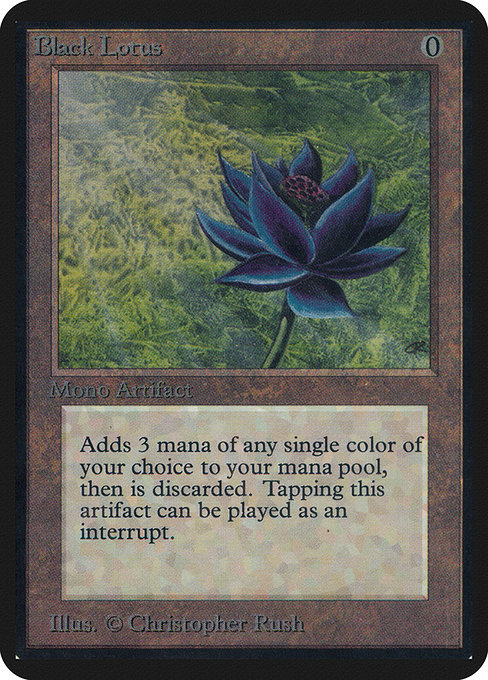
Image via Scryfall · © Wizards of the Coast.
Genuine looks like
A non-foil can transmit visible light. Judge its brightness and color against a comparable genuine printing under the same conditions, not against a universal blue-glow rule.
Fake looks like
Different stock may transmit more or less light, or a different color. Similar transmission does not establish authenticity; genuine printing differences can also produce mismatches.
Step by step
- 1Choose a known-genuine reference of the same set, finish, and preferably the same printing.
- 2In a dim room, use a cool LED light at a fixed distance without pressing or heating the card.
- 3Observe how much light passes through and the color of that light.
- 4Compare the suspect card to the known-genuine reference under the same light.
- 5Follow up with front-and-back print inspection, whether the light result matches or differs.
Why it matters
This is a quick supporting comparison, not a validated authenticity test with a published success rate. It is unsuitable as a pass/fail rule for foils or double-faced cards.
Further reading
Related methods
Educational guidance only — no method is a guarantee of authenticity. When in doubt on a valuable card, consult a professional grading or authentication service.