The Weight Test: Using a Precision Scale
Compare unsleeved cards of the same printing and finish on a calibrated scale. Weight is supporting evidence, not a universal pass/fail threshold.
What this checks
The mass of the card, which reflects the specific paper stock and coatings used by the official manufacturer.
Tools: Precision scale (0.01 g)
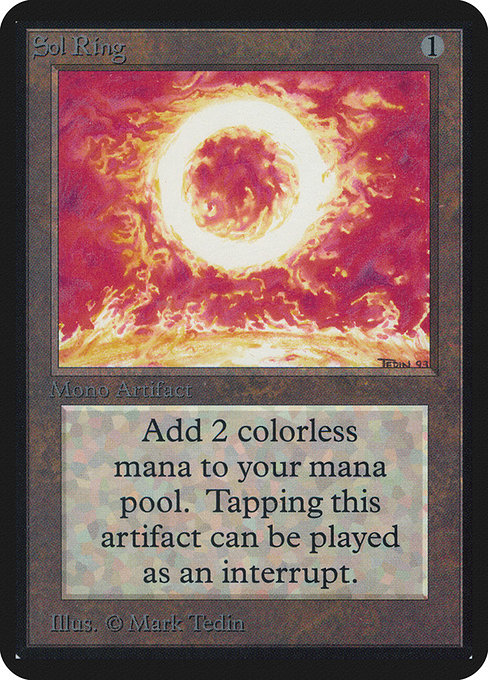
Image via Scryfall · © Wizards of the Coast.
Genuine looks like
A weight consistent with comparable genuine copies, allowing for stock, finish, wear, and measurement variation.
Fake looks like
Different stock or added layers may cause a weight mismatch, but a counterfeit can also overlap the genuine reference range.
Step by step
- 1Calibrate the scale as instructed, zero it, and remove sleeves or holders.
- 2Weigh several genuine cards of the same set and finish to establish a comparison range.
- 3Weigh the suspect card under the same conditions.
- 4Compare against your reference range.
- 5Flag a card that sits well outside the range for further testing.
Why it matters
Objective and repeatable, but weight overlaps between genuine and good fakes, so it is a supporting test, not a verdict.
Further reading
Related methods
Educational guidance only — no method is a guarantee of authenticity. When in doubt on a valuable card, consult a professional grading or authentication service.