The Rip Test: Why Core Color Is Not an Authenticity Verdict
Tearing permanently damages the card and core color alone cannot authenticate it. Do not use the rip test, even as a last resort.
Caution: Not recommended for any authentication decision. Tearing is irreversible, including when the card turns out to be genuine.
What this checks
Only the exposed stock construction, not whether Wizards printed or assembled the card.
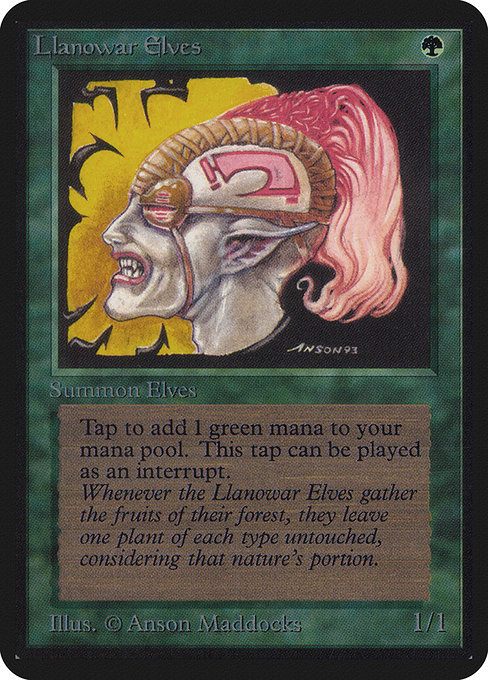
Image via Scryfall · © Wizards of the Coast.
Genuine looks like
A genuine card may have a blue or another documented core construction; do not tear it to find out.
Fake looks like
A different core can prompt investigation, but matching a core color is not proof of authenticity either.
Step by step
- 1Keep the card intact; do not tear, cut, or peel it.
- 2Inspect existing edges under magnification without applying stress.
- 3Compare both printed faces with the correct genuine version.
- 4Photograph concerns and ask an experienced examiner or the marketplace for next steps.
Why it matters
A destructive observation is not automatically conclusive. Preserve the card for expert examination and any dispute rather than sacrificing it to a stock-color rule.
Further reading
Related methods
Educational guidance only — no method is a guarantee of authenticity. When in doubt on a valuable card, consult a professional grading or authentication service.