Back Color & Pattern Comparison
Compare standard Magic backs with a known-genuine reference. Genuine color variation exists, and double-faced cards do not have the standard back.
What this checks
Back design and print detail, allowing for legitimate color and production variation. Match the printing where possible.
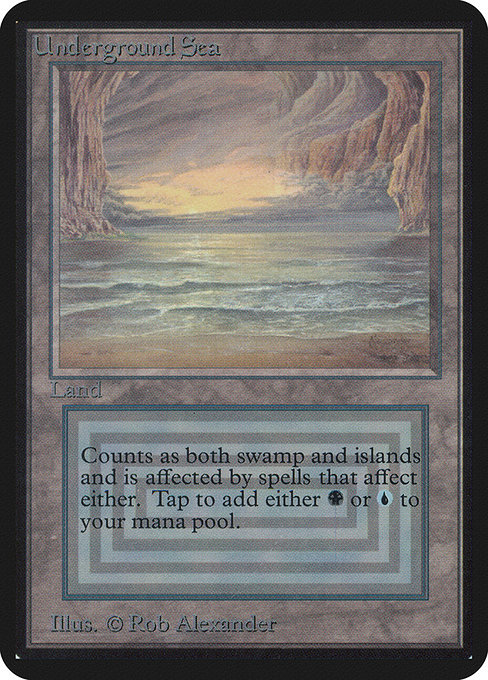
Image via Scryfall · © Wizards of the Coast.
Genuine looks like
The expected design and print details; genuine backs can differ in hue, saturation, and centering.
Fake looks like
A back that is too red, too dark, washed out, or blurry, with soft or misregistered pattern detail.
Step by step
- 1Place the suspect card next to a known-genuine card, both backs up.
- 2Use even, neutral light.
- 3Compare the overall brown tone first.
- 4Then compare the sharpness of the border pattern and the central oval.
- 5Note any obvious difference as a prompt for closer tests.
Why it matters
A quick initial comparison. A slight color mismatch is not proof, and a genuine back does not authenticate the front or rule out a reback.
Further reading
Related methods
Educational guidance only — no method is a guarantee of authenticity. When in doubt on a valuable card, consult a professional grading or authentication service.