The Rosette Print Test: Reading the Dot Pattern Under a Loupe
Compare colored halftone dots and solid black details under magnification. Rosettes alone do not prove a card is genuine.
Was dieser Test prüft
The size, alignment, and separation of printed dots and black details. Counterfeits can also use offset printing, so the presence of a rosette is not enough.
Hilfsmittel: Loupe or microscope (30–60x)
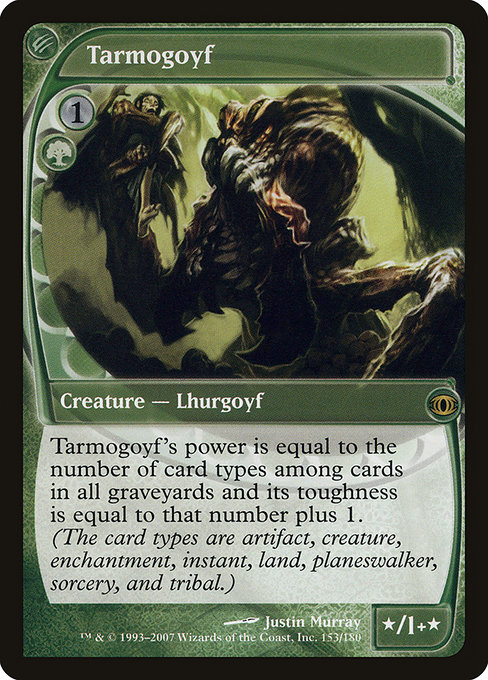
Bild via Scryfall · © Wizards of the Coast.
Echt sieht so aus
Tiny dots arranged in rotating rosette clusters, smooth color transitions, crisp edges on text.
Fälschung sieht so aus
A regular square grid of dots, fuzzy or pixelated edges, visible banding, or random noise instead of clean rosettes.
Schritt für Schritt
- 1Place the card under good, even light.
- 2Hold a 30–60x loupe over a mid-tone area of the artwork.
- 3Focus until individual ink dots are sharp.
- 4Compare the same printed area with a known-genuine copy of the same version.
- 5Inspect front and back, including black text edges; do not classify the whole card from one pattern.
Warum es wichtig ist
Detailed comparison can expose printing mismatches. Rebacks made from genuine card parts and normal print variation limit what a loupe can establish on its own.
Weiterführende Links
- Counterfeit Card Alert: Unlimited Black Lotus (CGC)
- Rebacks: genuine print does not authenticate the assembly
Verwandte Methoden
Nur zu Bildungszwecken — keine Methode garantiert Echtheit. Ziehe bei einer wertvollen Karte im Zweifel einen professionellen Grading- oder Authentifizierungs-Dienst hinzu.